WatchHouse Coffee
WatchHouse started in 2014 in a 266 square foot corner space on Bermondsey Street. The building was originally a 19th-century watchman's hut for the graveyard of St Mary Magdalen's Church. Roland Horne took it over, named the brand after the building, and started serving what he called Modern Coffee. A decade later there are over twenty WatchHouse locations across London, Bath, New York, and the Middle East, and the brand has become a reference point for what a specialty coffee shop in the 21st century should look and feel like.
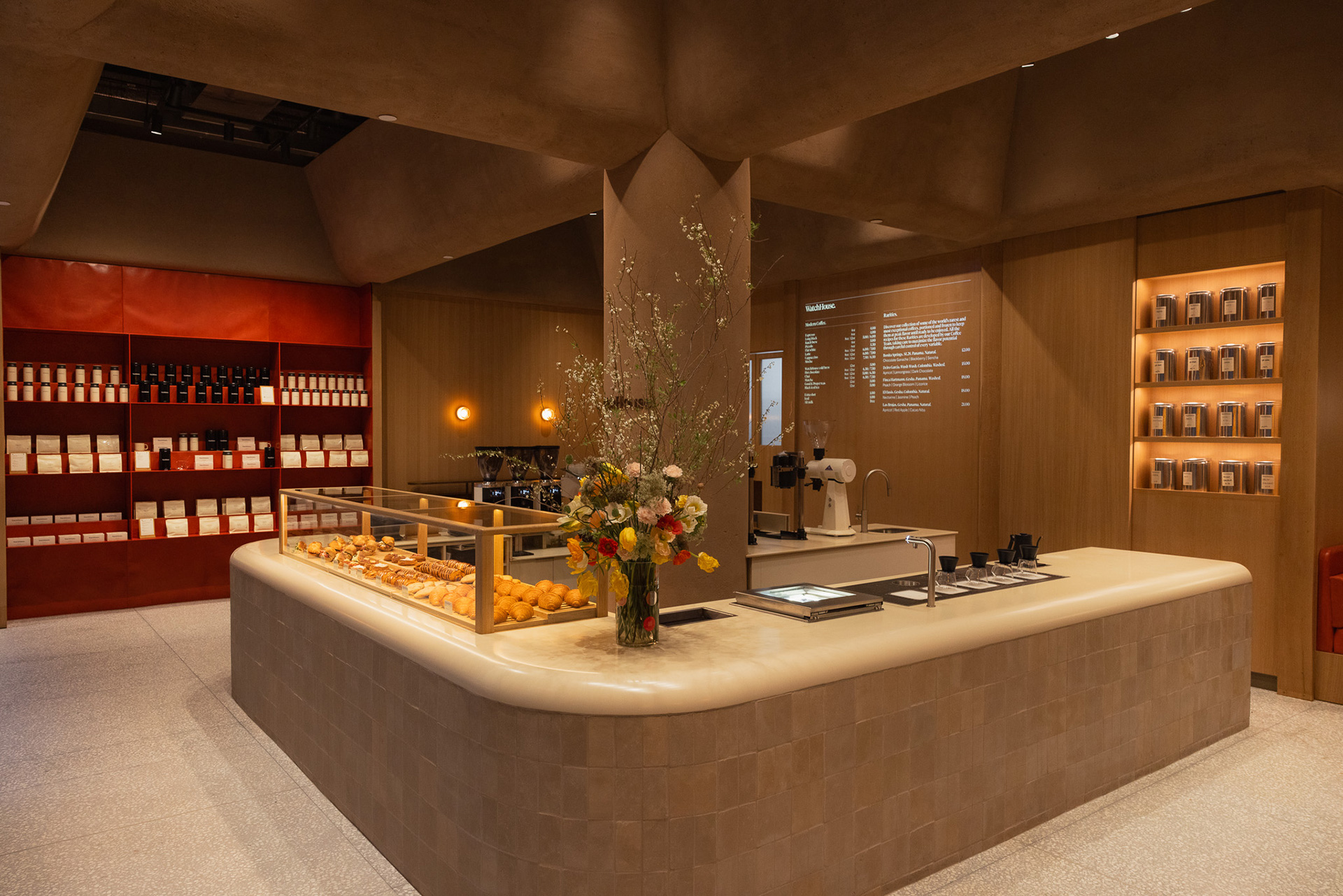
The design is the thing people talk about. Warm oak panelling. Ceppo stone floors with gridded patterns. Eight-metre stainless steel counters. Cherry wood, terrazzo, and modernist references that change from location to location. The Manhattan flagship nods to Donald Judd. The Thames-side store talks to St Paul's. Every WatchHouse is unmistakably WatchHouse, but every one of them is also unmistakably itself.
That kind of attention to detail extends to the soundtrack. We programme music across the WatchHouse estate, calibrated to a brand that has always understood that ambience isn't an accident. Coffee is a quiet drink. The room around it has to be quiet enough to let the coffee do its job, but warm enough that people actually want to stay. That balance is harder than it sounds, and it's a balance the music has to support, not work against.
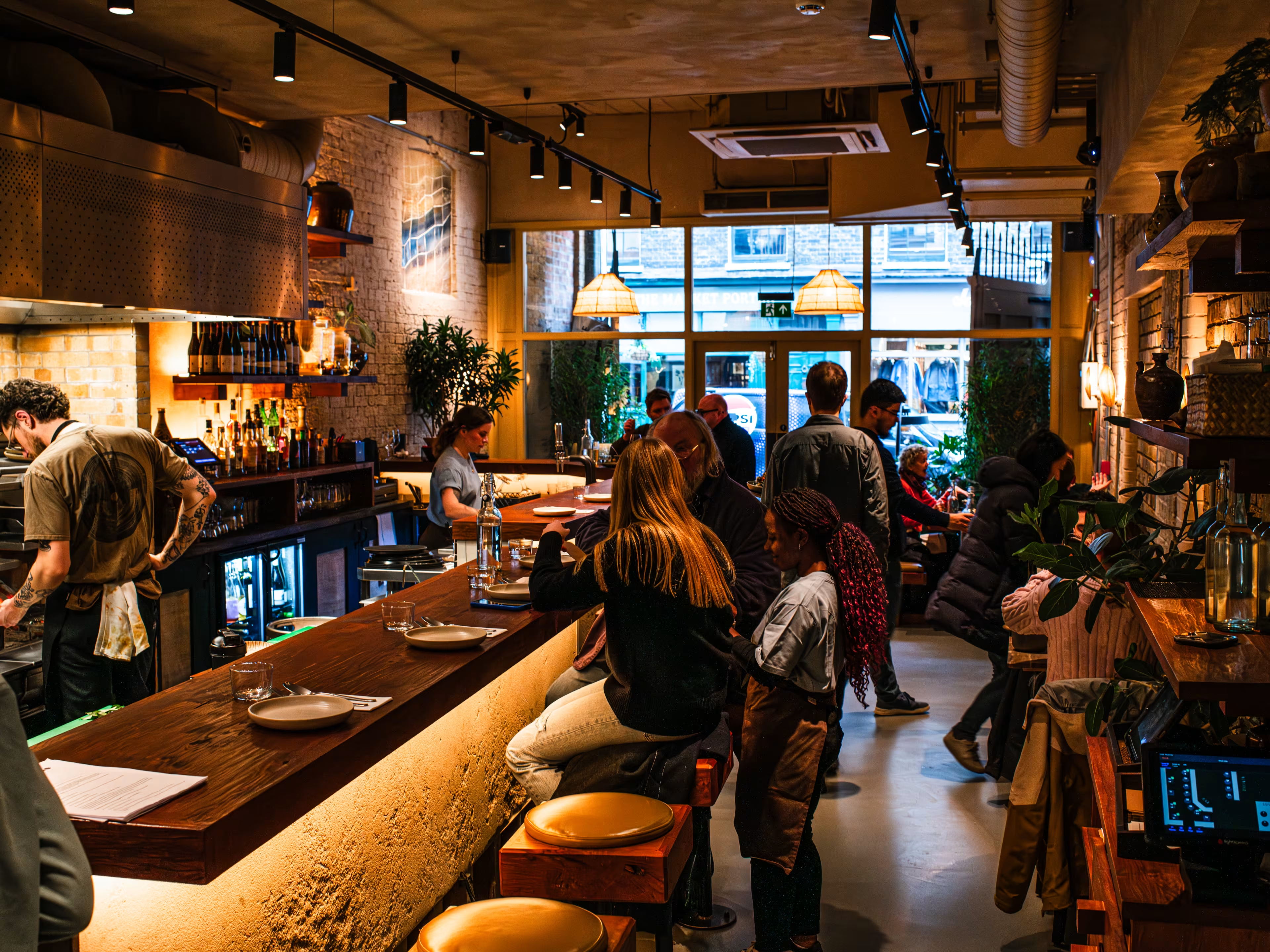
WatchHouse stores are working environments as much as they are coffee shops. People take meetings here. People work alone for hours. The seven o'clock crowd grabbing a flat white on the way to the office isn't the same audience as the ten o'clock crowd settling in for the morning. Our scheduling reflects that arc. The energy comes up gradually. The selections shift from focused to social as the day progresses. Nothing pulls focus. Nothing intrudes. The music is just there, doing its job, and the coffee, the room, and the conversation are all better for it.